 @OpenRouter≡ 10+2After a couple hours of work, I finally finished developing my first ever skill. :D
Claude’s frontend skill tells the AI to "pick an extreme aesthetic" and "be creative."
The problem tho is LLMs are just based on probability. Without strict rules, they statistically default to the most likely patterns, that's where AI slop comes from.
To get clean and production-grade UI, you need to override these biases with some engineering constraints.
I open-sourced Taste-Skill to fix this. :)
Check it out! https://github.com/Leonxlnx/taste-skill
(still early lots of improvements are on the way)@LexnLin
@OpenRouter≡ 10+2After a couple hours of work, I finally finished developing my first ever skill. :D
Claude’s frontend skill tells the AI to "pick an extreme aesthetic" and "be creative."
The problem tho is LLMs are just based on probability. Without strict rules, they statistically default to the most likely patterns, that's where AI slop comes from.
To get clean and production-grade UI, you need to override these biases with some engineering constraints.
I open-sourced Taste-Skill to fix this. :)
Check it out! https://github.com/Leonxlnx/taste-skill
(still early lots of improvements are on the way)@LexnLin @ImSh4yyBest Model Per Use-Case
Presentations - Gemini 2.5
Full-stack apps - GPT-5 Codex, Sonnet 4.5
Docs - Gemini 2.5, GPT-5 thinking
Videos - Sora 2
Images - Nano Banana
Coding - Sonnet 4.5, Grok Code Fast
Browser use - Sonnet 4.5
Doc Processing - Gemini Flash
Enterprise Search - Sonnet 4.5
Data analysis (complex) - Opus 4.1
Agentic workflows - Sonnet 4.5, Haiku 4.5@bindureddy🔖 Bookmark this post to start building with the updated Gemini Live model.@googleaidevs
@ImSh4yyBest Model Per Use-Case
Presentations - Gemini 2.5
Full-stack apps - GPT-5 Codex, Sonnet 4.5
Docs - Gemini 2.5, GPT-5 thinking
Videos - Sora 2
Images - Nano Banana
Coding - Sonnet 4.5, Grok Code Fast
Browser use - Sonnet 4.5
Doc Processing - Gemini Flash
Enterprise Search - Sonnet 4.5
Data analysis (complex) - Opus 4.1
Agentic workflows - Sonnet 4.5, Haiku 4.5@bindureddy🔖 Bookmark this post to start building with the updated Gemini Live model.@googleaidevs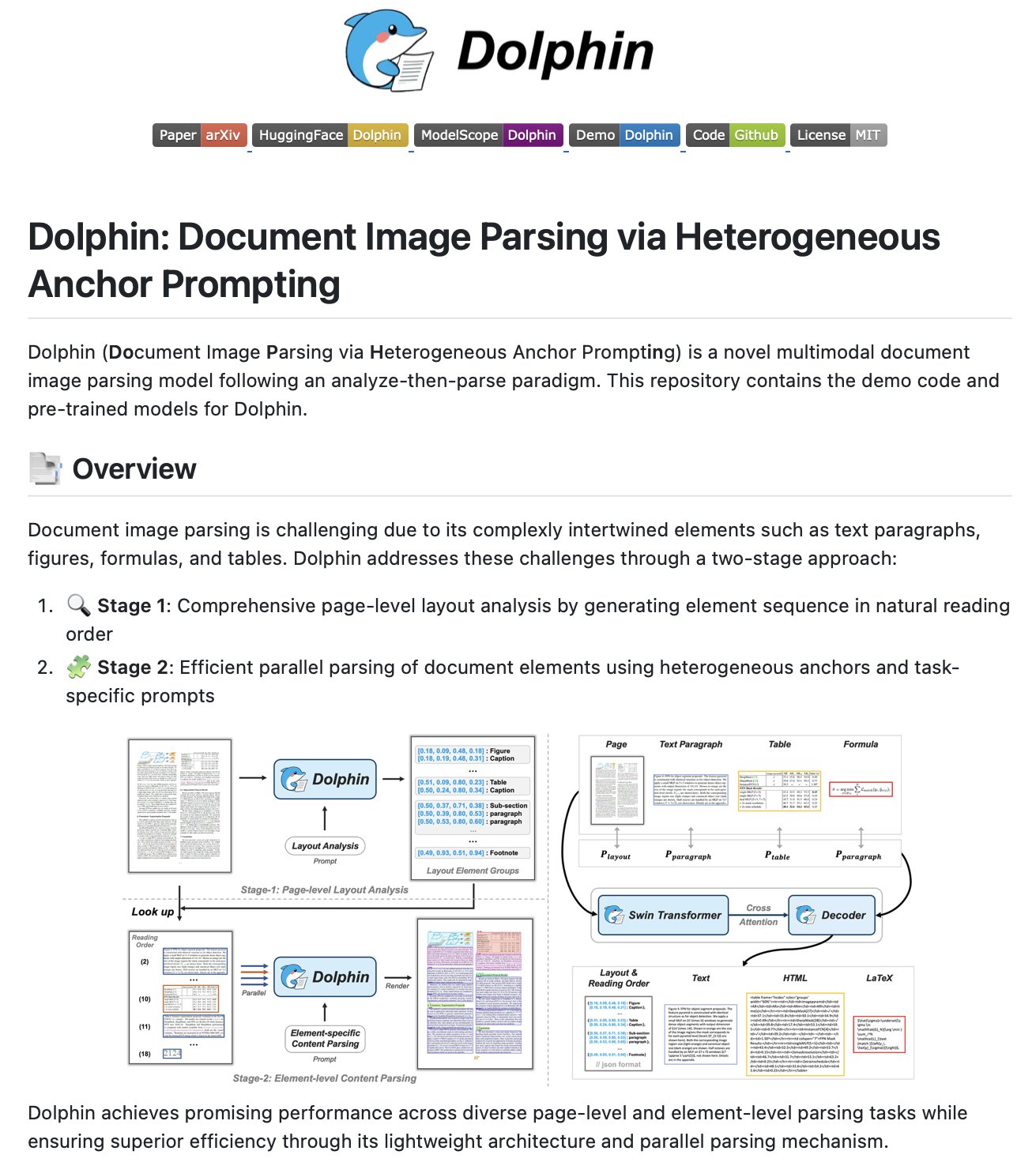 @Sumanth_077
 @dhruvtwt_
 @dingyi
 @techNmak
 ▶@DrFonts
 @rohanpaul_aiTechniques I'd master if building RAG systems that actually work:
Bookmark this.
1. Sliding Window Chunking
2. Semantic Chunking
3. Document Hierarchies
4. Metadata Enrichment
5. Query Expansion
6. Hybrid Search
7. Reranking Models
8. Context Window Packing
9. Lost in the Middle Problem
10. Hypothetical Document Embeddings (HyDE)
11. Multi-Query Retrieval
12. Contextual Compression
13. Sentence Window Retrieval
14. Auto-Merging Retrieval
15. Cross-Encoder Rescoring
16. Temporal Context Decay
17. Negative Sampling
18. MMR (Maximal Marginal Relevance)
19. Graph-Based Retrieval
20. Recursive Retrieval
21. Citation Trackingchunks
22. Context Ablation Testing
23. Adaptive Retrieval@athleticKoder
@rohanpaul_aiTechniques I'd master if building RAG systems that actually work:
Bookmark this.
1. Sliding Window Chunking
2. Semantic Chunking
3. Document Hierarchies
4. Metadata Enrichment
5. Query Expansion
6. Hybrid Search
7. Reranking Models
8. Context Window Packing
9. Lost in the Middle Problem
10. Hypothetical Document Embeddings (HyDE)
11. Multi-Query Retrieval
12. Contextual Compression
13. Sentence Window Retrieval
14. Auto-Merging Retrieval
15. Cross-Encoder Rescoring
16. Temporal Context Decay
17. Negative Sampling
18. MMR (Maximal Marginal Relevance)
19. Graph-Based Retrieval
20. Recursive Retrieval
21. Citation Trackingchunks
22. Context Ablation Testing
23. Adaptive Retrieval@athleticKoder ▶@CopilotKit